
Currently Empty: $0.00


COURSE NAME: Executive Certificate in Records and Compliance Management
COURSE CODE: RCM 300
COURSE CREDIT: 3
MODE OF STUDY: ONLINE
COURSE DESCRIPTION
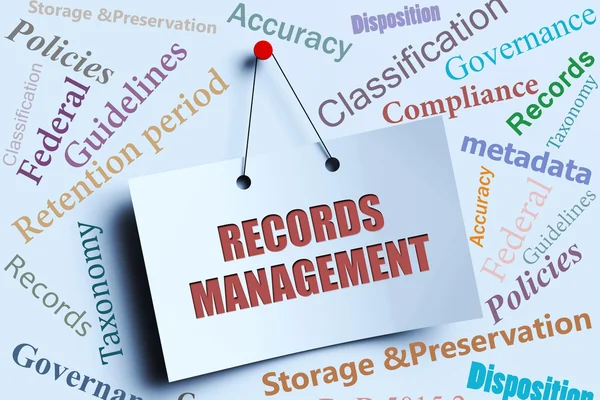
This course equips learners with the knowledge, practical skills, and professional competencies required to effectively manage organizational records while supporting regulatory compliance, accountability, confidentiality, and information governance. The course explores the principles of records management, records classification, filing and indexing systems, document control, records retention and disposal, electronic records management, information security, confidentiality, regulatory compliance, risk management, and records auditing.
Students will gain practical skills in organizing and maintaining physical and electronic records, developing appropriate recordkeeping procedures, protecting confidential information, monitoring compliance requirements, managing the records life cycle, and supporting organizational accountability. Emphasis is also placed on the use of technology in modern records management and the importance of maintaining accurate, accessible, secure, and reliable organizational information.
WHY THIS COURSE IS IMPORTANT?
Effective records and compliance management is essential to the successful operation of modern organizations. Organizations generate significant amounts of information through their daily activities, and these records must be properly created, classified, stored, protected, retrieved, retained, and disposed of in accordance with organizational policies and applicable requirements.
Poor records management can result in lost information, security breaches, compliance failures, operational inefficiencies, legal risks, and damage to an organization’s reputation. At the same time, organizations are increasingly expected to demonstrate accountability, transparency, confidentiality, and responsible management of information.
This course is important because businesses, government agencies, educational institutions, healthcare organizations, financial institutions, non-profit organizations, and other entities require professionals who understand both records management and compliance responsibilities. It prepares learners to contribute to effective recordkeeping systems, protect sensitive information, identify compliance risks, support audits, and promote responsible information governance within the workplace.
COURSE OBJECTIVES
-
Apply fundamental principles and practices of records management in organizational settings.
-
Explain the records life cycle from creation and active use through retention and final disposition.
-
Organize, classify, index, store, and retrieve physical and electronic records effectively.
-
Apply appropriate document control, retention, archiving, and disposal procedures.
-
Demonstrate appropriate practices for protecting confidential and sensitive organizational information.
-
Explain the importance of regulatory compliance, organizational policies, and ethical recordkeeping.
-
Identify records-related compliance risks and apply appropriate controls to reduce organizational exposure.
-
Support records audits, compliance monitoring, and continuous improvement of records management systems.
COURSE LEARNING OUTCOMES (CLOs)
At the end of the course, students will be able to:
-
Demonstrate effective records management practices within different organizational environments.
-
Apply records classification, indexing, filing, storage, retrieval, retention, and disposal procedures.
-
Manage physical and electronic records throughout the different stages of the records life cycle.
-
Apply confidentiality, information security, access control, and data protection principles when handling organizational records.
-
Analyze recordkeeping practices to identify potential compliance risks, weaknesses, and areas for improvement.
-
Apply organizational policies, professional standards, ethical principles, and relevant compliance requirements to records management activities.
-
Participate effectively in records audits, compliance reviews, monitoring activities, and corrective action processes.
-
Contribute to the development of an effective records and compliance management culture that promotes accountability, transparency, security, and continuous improvement.
Course Content
Executive Certificate in Records and Compliance Management
Course Materials / Lecture Notes
Student Ratings & Reviews

No Review Yet
 Lessons: